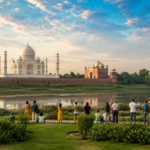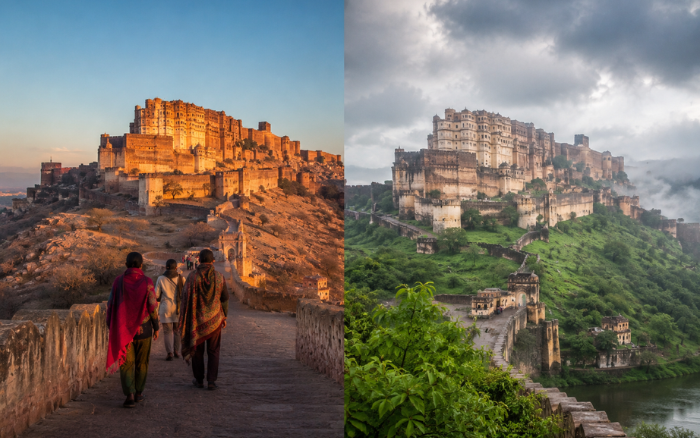
Rajasthan can feel like two completely different destinations depending on when you visit. In May, the desert heat can be intense enough to keep even locals indoors during the afternoon. In January, travelers often find themselves wrapped in shawls around a campfire under the stars. The forts, palaces, and desert landscapes remain the same, but the experience changes dramatically with the seasons.
If you’re wondering about the best time to visit Rajasthan, the short answer is October to March. During these months, temperatures are comfortable for sightseeing, outdoor activities, and desert excursions. However, every season has its own advantages depending on your travel style, budget, and interests.
Rajasthan Weather Overview
Rajasthan experiences three main seasons:
- Winter (October to March): Pleasant weather and peak tourist season.
- Summer (April to June): Extremely hot temperatures, especially in desert regions.
- Monsoon (July to September): Occasional rainfall, greener landscapes, and fewer tourists.
For most travelers, winter offers the best overall experience, while monsoon can be a good option for budget-conscious visitors.
Rajasthan in October: The Transition Month
October marks the transition from monsoon to winter. Early October may still have some lingering humidity, but conditions improve noticeably as the month progresses.
Daytime temperatures typically range between 28°C and 33°C, while evenings become pleasantly cool.
Why visit in October?
- Comfortable weather for sightseeing.
- Fewer tourists than peak winter months.
- Better hotel availability.
- Festivals such as Navratri and Dussehra often take place during this period.
October is ideal for travelers who want good weather without the peak-season crowds.
Rajasthan in November to February: Peak Travel Season
For most visitors, this is the best time to visit Rajasthan.
Daytime temperatures generally range from 20°C to 28°C, making it comfortable to explore forts, palaces, markets, and desert landscapes. Nights can become quite cold, particularly in desert destinations such as Jaisalmer and Bikaner, where temperatures may occasionally fall below 10°C during winter.
Why This Season Is So Popular
Pushkar Camel Fair (November)
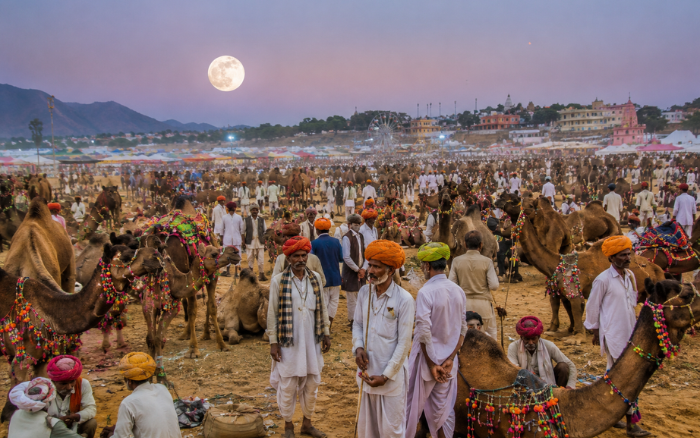
The famous Pushkar Camel Fair takes place around Kartik Purnima and attracts thousands of traders, pilgrims, and visitors. It is one of India’s most unique cultural events, featuring camel trading, folk performances, competitions, and religious celebrations.
Jaipur Literature Festival (January)
The Jaipur Literature Festival is one of the world’s largest literary gatherings. It attracts renowned authors, thinkers, journalists, and readers from across the globe and is currently hosted at Hotel Clarks Amer in Jaipur.
Desert Festival, Jaisalmer (February)
This colorful festival celebrates Rajasthan’s desert culture through folk music, dance performances, camel races, turban-tying competitions, and cultural exhibitions set against the backdrop of the Thar Desert.
Travel Tip
Pack layers during winter. Mornings and evenings can feel surprisingly cold, especially during desert safaris, while afternoons are often warm enough for light clothing.
Rajasthan in March: Pleasant but Warming Up
The first half of March remains a good time to visit Rajasthan.
Temperatures begin climbing into the low 30s°C, but mornings and evenings generally remain comfortable. This period offers many of the same advantages as October, including manageable crowds and pleasant sightseeing conditions.
Holi is usually celebrated in March and provides travelers with an opportunity to experience Rajasthan’s vibrant culture and festivities.
However, temperatures rise noticeably toward the end of the month, particularly in western Rajasthan. If possible, schedule your visit during the first two weeks of March.
Rajasthan in April to June: Best Avoided for Most Travelers
Summer in Rajasthan can be extremely hot.
Temperatures frequently exceed 40°C, and desert regions such as Jaisalmer, Bikaner, and Barmer may experience temperatures approaching 45°C or higher during heatwaves.
Challenges during summer include:
- Intense afternoon heat.
- Limited outdoor sightseeing comfort.
- Increased risk of dehydration and heat exhaustion.
The Exception: Mount Abu
Mount Abu, Rajasthan’s only hill station, enjoys much cooler temperatures than the rest of the state. Summer temperatures often remain within a comfortable range, making it a popular retreat for both locals and tourists.
Travelers visiting Rajasthan during summer for business, family events, or other commitments may find Mount Abu a welcome escape from the heat.
Rajasthan in July to September: The Monsoon Season
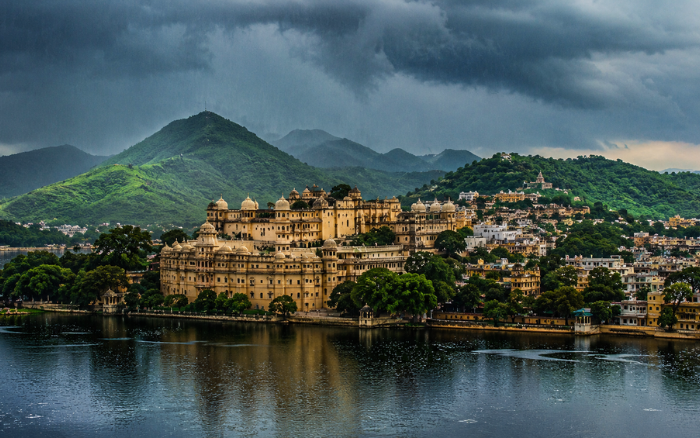
Unlike the heavy monsoon rains seen in states such as Kerala, Rajasthan receives lighter and more intermittent rainfall.
The biggest advantage of visiting during monsoon is the transformation of the landscape.
Highlights of the season include:
- Greener countryside and hills.
- Beautiful views around Udaipur and Mount Abu.
- Fuller lakes, including the scenic Lake Pichola.
- Fewer tourists at major attractions.
- Lower hotel and travel costs compared to peak season.
Potential drawbacks include:
- Increased humidity.
- Occasional travel disruptions due to rainfall.
- Warm daytime conditions in desert regions despite cloud cover.
For travelers seeking a quieter and more budget-friendly Rajasthan experience, monsoon can be an attractive alternative to winter.
Best Time to Visit Rajasthan by Travel Style
| Travel Type | Best Months |
|---|---|
| Sightseeing | November to February |
| Honeymoon | October to February |
| Desert Safari | November to February |
| Festivals and Culture | November to February |
| Wildlife Viewing | October to April |
| Budget Travel | July to September |
| Photography | October to March |
| Luxury Travel | November to February |
Final Verdict
For most travelers, November to February is the best time to visit Rajasthan. The weather is comfortable, cultural festivals are in full swing, and sightseeing conditions are ideal across major destinations including Jaipur, Udaipur, Jodhpur, Jaisalmer, Bikaner, and Pushkar.
If you prefer fewer crowds and slightly lower prices, October and early March offer an excellent balance between comfort and affordability.
Meanwhile, travelers looking for budget-friendly trips may find value in the monsoon season, while summer is generally best avoided unless you plan to spend time in Mount Abu.
Plan Your Rajasthan Adventure Today! Click here:
Please feel free to contact us at any time for any other travel information, tour bookings, tickets, transportation, or hotel bookings in India. Just call or WhatsApp us at : +91 93190 02744
For more tour packages, visit our website: The India Voyages
Frequently Asked Questions
Q1.What is the best month to visit Rajasthan?
December and January are generally considered the best months to visit Rajasthan due to comfortable daytime temperatures, low humidity, and ideal sightseeing conditions.
Q2.Is Rajasthan too hot to visit in summer?
For most travelers, yes. April through June often sees temperatures above 40°C, especially in desert regions. Mount Abu is the main exception.
Q3.Can I visit Rajasthan during monsoon season?
Yes. Monsoon brings greener landscapes, fewer tourists, and lower travel costs. However, occasional rain and humidity should be expected.
Q4.What is the coldest month in Rajasthan?
January is typically the coldest month, especially in desert areas such as Jaisalmer and Bikaner, where nighttime temperatures can occasionally drop below 10°C.
Q5.When does the Pushkar Camel Fair take place?
The Pushkar Camel Fair is usually held in November around Kartik Purnima. Exact dates vary each year according to the lunar calendar.