Ayodhya, Uttar Pradesh, is one of India’s important pilgrimage destinations and is closely associated with Lord Rama. The city sits on the banks of the Saryu River and is known for temples, ghats, religious traditions, and places connected with the Ramayana.
If you’re planning your first visit, this Ayodhya Tour Guide covers the main places to visit, a practical 2-day itinerary, how to reach Ayodhya, the best time to travel, and useful tips for a comfortable trip.
Quick Answer
A 2-day Ayodhya trip works well for visiting the city’s main religious and cultural sites.
Key places include:
- Shri Ram Janmabhoomi Mandir
- Hanuman Garhi
- Kanak Bhawan
- Dashrath Mahal
- Ram Ki Paidi
- Saryu River and its ghats
For comfortable sightseeing, October to March is generally a good period because temperatures are more suitable for walking and outdoor visits.
Why visit Ayodhya?
Ayodhya has deep religious importance in Hindu tradition and is associated with the life of Lord Rama.
The city has several temples and pilgrimage sites that attract visitors throughout the year. Its Saryu riverfront, temple areas, and evening religious activities also make it a popular destination for travelers interested in Indian culture and spirituality.
If you’re combining Ayodhya with destinations such as Varanasi, Prayagraj, Lucknow, or Agra, 2 days gives you enough time to see the main attractions without making the itinerary too rushed.
Best places to visit in Ayodhya
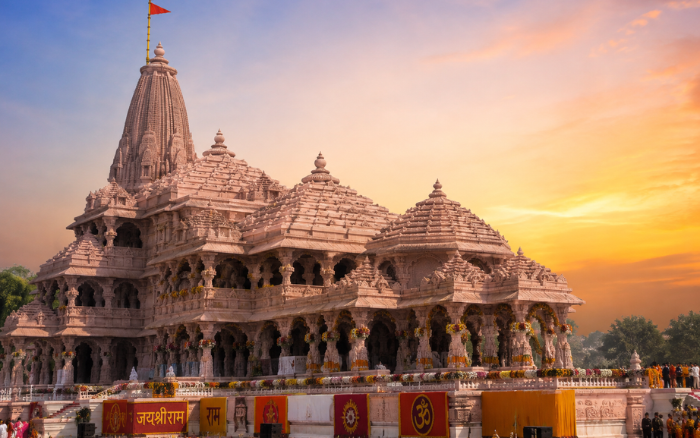
1. Shri Ram Janmabhoomi Mandir
Shri Ram Janmabhoomi Mandir is the main pilgrimage site in Ayodhya and is associated with the traditional birthplace of Lord Rama.
The temple complex follows traditional Indian architectural design and has become the central attraction for visitors coming to Ayodhya.
Because the area has security arrangements and visitor rules, check the latest official instructions before your visit.
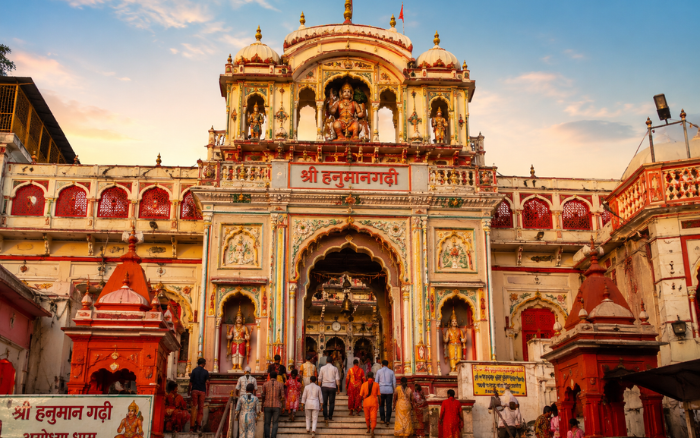
2. Hanuman Garhi
Hanuman Garhi is one of Ayodhya’s best-known temples and is dedicated to Lord Hanuman.
The temple is located close to the main pilgrimage area, making it easy to include with Shri Ram Janmabhoomi Mandir and other nearby attractions.
Keep enough time for security checks and temple visits, especially when the city is busy.
3. Kanak Bhawan
Kanak Bhawan is a well-known temple associated with Lord Rama and Goddess Sita.
The temple is known for its religious importance and decorated interiors. It’s one of the places worth adding to a first-time Ayodhya Tour Guide itinerary.
4. Dashrath Mahal
Dashrath Mahal is traditionally associated with King Dashrath, the father of Lord Rama.
Its location makes it convenient to combine with other important temples in the central Ayodhya area.
Take some time to observe the daily religious activity around the complex.

5. Ram Ki Paidi
Ram Ki Paidi is a series of ghats along the Saryu River.
It’s a good place for a quieter part of your sightseeing day. The riverfront is especially popular around religious events and evening activities.
If you want to attend an aarti or other ceremony, check the day’s schedule locally because timings can vary.
6. Saryu River
The Saryu River is closely connected with Ayodhya’s religious identity.
A visit to the riverfront can be combined with Ram Ki Paidi, particularly around sunset or during evening religious activities.
Keep in mind that crowd levels can change significantly during festivals and special occasions.
Suggested 2-day Ayodhya itinerary
Day 1: Temples and old Ayodhya
Start early with:
- Shri Ram Janmabhoomi Mandir
- Hanuman Garhi
- Kanak Bhawan
- Dashrath Mahal
Take a break during the afternoon, then continue with nearby temples or local markets depending on your energy and the day’s timings.
Day 2: Saryu and local sightseeing
Start with:
- Ram Ki Paidi
- Saryu River
- Additional nearby temples
- Local shopping
Keep your evening flexible for the Saryu riverfront and local religious activities.
A 2-day schedule gives you room to adjust around temple timings and crowds.
Best time to visit Ayodhya
October to March is generally more comfortable for sightseeing because temperatures are usually more suitable for outdoor activities.
April to June can be hot, particularly during the afternoon, so early-morning sightseeing is a better choice during this period.
Festival periods such as Diwali and Ram Navami can bring much larger crowds. They can be a memorable time to visit, but you’ll need to plan accommodation and local transport well in advance.
How to reach Ayodhya
By air
Ayodhya has Maharishi Valmiki International Airport, Ayodhya Dham, which serves the city.
Flight availability and direct routes can change, so check current schedules before booking.
Lucknow is another practical airport option for travelers who are combining Ayodhya with other destinations in Uttar Pradesh.
By train
Ayodhya has railway connectivity, including Ayodhya Dham Junction.
Train services connect Ayodhya with several major Indian cities. Check the current railway schedule for your travel date.
By road
Ayodhya is connected by road with cities including Lucknow, Varanasi, Prayagraj, and Gorakhpur.
Private cars and taxis are useful if you’re combining Ayodhya with other North India destinations.
Where to stay in Ayodhya
Accommodation includes hotels, guest houses, dharamshalas, and other stay options.
For a first visit, staying close to the main pilgrimage areas can reduce local travel time.
Book early if you’re travelling during Diwali, Ram Navami, or another major religious event because demand can rise sharply.
Food to try in Ayodhya
Vegetarian food is widely available around the major pilgrimage areas.
Depending on where you stay, you can find local favourites such as:
- Kachori sabzi
- Bedai
- Jalebi
- Chaat
- Lassi
- Rabri
- Indian sweets
Choose clean, busy food outlets and carry bottled or safe drinking water during sightseeing.
Travel tips for Ayodhya
A few simple habits can make your trip easier:
- Start temple visits early.
- Wear comfortable footwear.
- Dress appropriately at religious sites.
- Follow security instructions.
- Keep your belongings secure.
- Carry water during daytime sightseeing.
- Keep some cash for small purchases.
- Check temple timings before leaving your hotel.
- Expect larger crowds during major festivals.
- Leave extra time for local traffic and security checks.
Photography rules can differ between locations, so follow the instructions at each site.
Shopping in Ayodhya
Local markets around the pilgrimage areas sell religious souvenirs, prayer items, idols, incense, handicrafts, and sweets.
If you’re buying religious items or food products, compare prices at a few shops before purchasing.
Is a guided Ayodhya tour worth it?
A local guide can make the visit easier if you’re interested in the history and religious traditions connected with Ayodhya.
A private tour can also help with local transportation, sightseeing order, hotel transfers, and combining Ayodhya with nearby destinations.
For travelers coming from Delhi, Agra, Jaipur, Varanasi, or Lucknow, a private itinerary can save time between destinations.
Plan your Ayodhya tour
Want to combine Ayodhya with Varanasi, Prayagraj, Lucknow, or a Golden Triangle trip?
The India Voyages can arrange private transportation, hotels, sightseeing, and customized North India itineraries based on your travel dates and preferences.
Call / WhatsApp: +91 93190 02744
Website: https://theindiavoyages.com
Plan your Ayodhya journey around your preferred travel dates and sightseeing pace.
Frequently Asked Questions
Q1. How many days are enough for Ayodhya?
A 2-day Ayodhya trip is a practical choice for visiting the major temples, Ram Ki Paidi, and the Saryu riverfront. Add another day if you want a slower schedule or plan to visit additional nearby sites.
Q2. What is the best time to visit Ayodhya?
October to March is generally comfortable for sightseeing. Festival periods such as Diwali and Ram Navami attract larger crowds, so accommodation and transport should be planned early.
Q3. What are the best places to visit in Ayodhya?
The main attractions include Shri Ram Janmabhoomi Mandir, Hanuman Garhi, Kanak Bhawan, Dashrath Mahal, Ram Ki Paidi, and the Saryu riverfront.
Q4. Is Ayodhya suitable for a family trip?
Yes. Families can visit Ayodhya comfortably with proper planning. Start sightseeing early, allow extra time for security checks, and choose accommodation based on how much walking your group can manage.
Q5. Can I visit Ayodhya in one day?
Yes, but you’ll need to keep the itinerary focused. A 1-day visit can cover the main temple area and a few nearby attractions. 2 days is a better choice if you want a more relaxed trip.